

A Secret Weapon for Aging Adults
By Janet Smith
Aging is a beautiful journey, yet with aging comes changes that challenge our physical health. Muscles shrink, bones deteriorate, joints stiffen, and energy dips. Although the body may be growing weary, God’s call to love and serve others continues. Incorporating various intensities of movement provides natural medicine for the body and mind by:
► Preserving Strength and Balance: Weight-bearing and resistance training exercises help maintain muscle and bone health, lowering fall risk and supporting daily tasks.
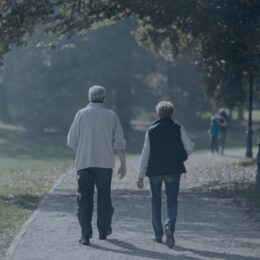
► Supporting Heart Health: Aerobic activities like walking, swimming, and biking improve cardiovascular function and facilitate circulation helping to prevent chronic disease.
► Enhancing Mobility: Stretching and gentle exercises keep joints supple, reducing stiffness and discomfort, while enhancing blood circulation, flexibility, and mobility.
► Boosting Mental Health: Physical activity stimulates endorphins, the body’s feel-good chemicals, improves mood, fights stress, and sharpens your mind.
We may not have control over the natural aging process, but we can make a difference by choosing movement. The phrase “use it or lose it” describes the training principle of reversibility. Thankfully, a more powerful principle of training, specificity, states that the body responds to the demands placed upon it. Fortunately, the body does not know exact movements but rather recognizes a challenge and responds. This means that we can move in multiple ways of varying intensity and keep our physical health in check.
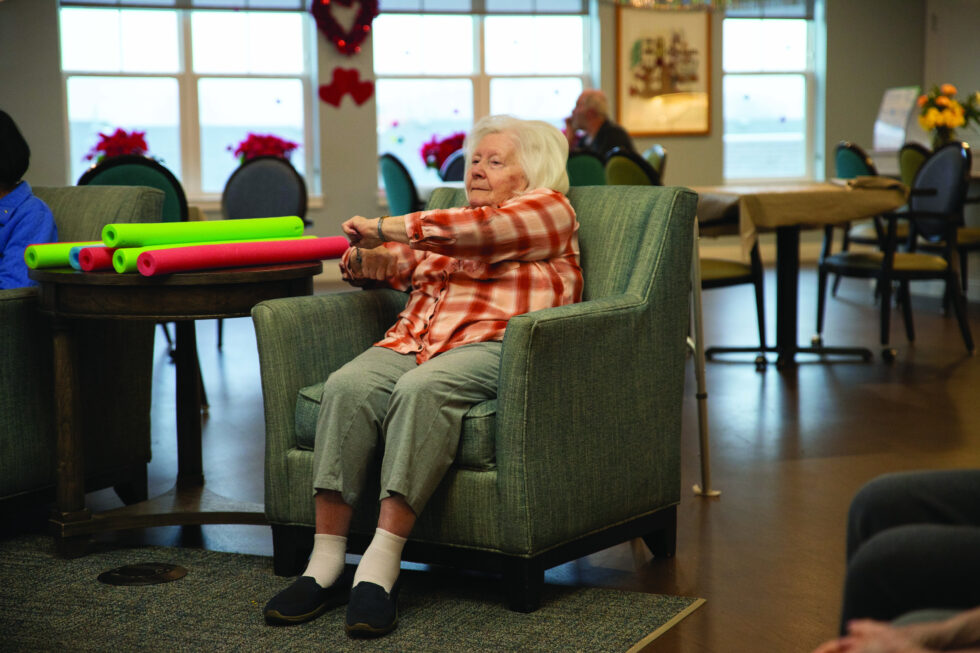
Experts, including the Center for Disease Control, recommend at least 150 minutes of moderate- intensity activity per week in combination with two days of resistance training. If this seems overwhelming, be assured that even short bouts of movement — such as chair exercises, light stretching, playing with grandkids, and simple household chores — can make a difference.
Moderate-intensity can be determined using a simple talk-test or a rate of perceived excursion (RPE) scale. The intensity meets the recommendation level by using the “talk test.” The recommended level is when you are able to speak about eight to 10 words between regular breaths. On the RPE scale, a seven out of 10 represents a challenging effort that can be sustained over time. Monitoring your intensity level ensures that you meet your desired physical health benefits. Low-intensity workouts may not provide an adequate challenge while high-intensity workouts may produce fatigue that interrupts ongoing movement.
Resistance training — movement that requires lifting, carrying, and pushing — preserves muscle mass and bone density. Due to modern day equipment and luxury, we are not required to move with resistance like our ancestors, so we need a more formal resistance training program. A well designed resistance training program incorporates upper and lower body movements in multiple directions and positions. Through a simplified lens, resistance training can be performed in your living room with household items that are challenging to move.
As you look forward to the rest of the year, be encouraged to find new — and continue familiar — ways of moving. You are fearfully and wonderfully made for God’s purpose to do His work with unique considerations and abilities. Be sure to consult a provider before initiating new programs and seek qualified professionals for exercise programming. Follow these practical tips to start and stay moving:
► Smart Start: Begin with 10-minute sessions and gradually increase intensity and duration. It will take time for your body to adjust to the demands of these new activities.
► Mix It Up: Combine aerobic, resistance, and mobility exercises for a balanced routine. Walking, biking, and swimming place different demands on the body and mind than lifting, carrying, pushing, twisting, and bending exercises.
► Make It Social: Join group classes and invite a friend. Look for ways to engage your family as you train up generations of caring for physical health.
► Listen to Your Body: Adapt activities to your comfort level and listen to your body’s response to challenges. If concerns arise, be sure to consult a healthcare provider.
► Be Creative: Make movement fun and seek simple ways to add activity each day. Sing along the way, laugh, be joyful, and even have a dance party.
Movement is not just about exercise; it’s about maintaining independence, resisting disease, and enjoying life to the fullest. Every step, stretch, and lift counts toward a healthier you. Running with endurance the race that is set before us requires care for our changing physical health.
Now, what are you doing sitting here reading this article? Get up and move!
Janet Smith is the assistant professor of health and exercise science at the University of Saint Francis in Fort Wayne, Ind. She is also the LutheRun Cross Country Coach for the Fort Wayne Lutheran Schools.