



Mindful Wellness Stewardship Into the Next Season of Life
By Dr. John D. Eckrich, M.D.
Retirement used to be defined by working at the same career, with the same employer, in the same city, surrounded by the same friends, receiving a retirement pension, and being handed the gold watch. And then we died. That’s not, generally, the same timeline today, well, except that we will die unless Christ comes soon and very soon.
Most Americans have a mean of 12 different job settings before they officially end their daily work career. If they have been proactive in their planning and saving, and fortunate to not suffer any major disasters of health or finances — which obviously could alter their plans significantly — they should be able to “get by” until they depart this earth. In the United States, we also have Social Security income to supplement our pensions and Medicare to support our health, but it is unclear how much longer these will be solvent and an assured source of fiscal foundation for those coming after us.
Quite frankly, much of what has been written about post-retirement is focused on preparing financially and subsequently wisely disbursing our resources so that they last. I think there are great guides out there that are easily available through various media outlets. Please access them.
Retiring or Repositioning?
I would rather explore with you some of the other consequences, challenges, and opportunities of living longer and more functionally past retirement set-points. I use set-point because it basically means the system’s goal value. The system here is life, and the target is a long-lived and well-lived one, God willing. When you depart from your set-point because of a variety of variables (like disabled physical health, financial collapse, or dementia) you may not be able to fully return to stability in daily living because you can’t achieve homeostasis. In other words, these disruptive forces of poor physical, cognitive, or spiritual illness may make it extremely difficult to pursue joyful and effective service in the next season of life because you have lost your resilience.
Even though I’m a physician, please don’t consider me to be naïve or that I am implying that there are things we can do that will keep us alive and active forever. That is not in our genetic cards, and by our Christian faith, we know that the “wages of sin is death.” None of us are beyond sin.
However, there are opportunities for us to steward our body, thinking, and spiritual posture, by God’s grace. I believe most of us hope to maintain our resilience, our ability to be homeostatic and adaptable, beyond historically traditional set-points of our parents, so that we can continue to love and serve God and God’s creation joyfully. I believe we each have a historic opportunity to be educated, thoughtful, and mindful of how we live as we get older.
I would be remiss if I didn’t address the topic of our sisters and brothers who don’t get the opportunity of long life due to intervening physical or cognitive illness. There are plenty of our friends who, this very day, face a terminal illness. What incentive do they have to pursue resilience, to strive for a more responsive body, or mind, or relational capacity that could remain more able to adjust to unrelenting cancer or progressing dementia? They may well be fully cognizant of their impending death, or they may seem unaware of their lot in life, at least to our eyes.
My prayer is the same for all of us: “Lord, grant us Your comfort and mercy. We know You love us. You have promised to work all things for good. We put our trust in You. Remember us all in Your kingdom, through Christ our Savior. Let it be so.”
Especially for those facing end of life decisions and terminal care, a clear recognition of the spiritual resilience gifted in Christ becomes quintessential for hope and comfort. God is faithful.
If you or your loved ones are in these circumstances, you need God’s Word, the Sacraments, faith fellowship, and comfort care through pastoral ministry, hospice, or Stephen’s Ministry, or many other care services available through your congregation or parish. To seek and receive this care administered under God’s Word defines the very stewardship of the gifts of life. My prayer is that you pursue and connect with these ministries, and that you are simultaneously surrounded by a cloud of saints from your faith community, lifting you to God’s throne of grace and mercy.
On the other hand, if God grants you the opportunity to live beyond your expected career limits, what are the questions you might ask yourself and other loved ones around you to help you repurpose and energize for this next season of life?
Before exploring these curious and vital questions, let me make one further and most emphatic point about aging. This point was brought home to me with a steady eye and a thoughtful mind of an elderly patient of mine I visited several years ago in a nursing home. This beautiful lady was well into her 80s and now hobbled by rheumatoid arthritis, which limited the most simple of daily tasks and basically confined her to her bed.
“Anna,” I said, “God has continued to bless you with a wonderfully active and clear mind, even though I know it is tough for you to get around much these days. I hear from so many of your students about how much of an impact you made in their lives. Don’t you miss your career as a teacher?” Obviously, I must have tweaked an especially lively set of nerve synapses in that highly functional mind. With a bright twinkle and unwavering voice, Anna replied, “Doc, I can’t do much these days … but I can talk to God; I can still pray!” Indeed, Anna understood the vitality and power of prayer.
“I can still remember my class list for each first grade I taught, and I just spend my time talking to God about each one of those children.” Pretty much at a loss for words at this point, I asked her, “Well, what do you ask God to do for them?”
“Give them joy wherever and whatever they are doing, of course!” she responded. Of course.
The good Lord has a plan and a purpose for each of us, beyond retirement, and up to the point of our death — that is my firm belief as a person of faith. As I frequently recall, “we know that in all things God works for the good of those who love him, who have been called according to his purpose” (Romans 8:28 NIV). Short life, long life; vigorously active or limited to a wheelchair or an extended care facility; sharp cognition, or fuzzy; I believe God has and invites us to a vision and a purpose for our lives.
But if you have been granted with some additional time, how do you go about figuring out what to do with it? Frankly, there are substantial resources on aging strategies just as there are grand financial guidebooks for growing old. Again, I invite you to explore good bookstores or websites or pick your colleagues’ brains for specific help. What about insuring your healthcare dollar? Here is one more simple addition to your “maturing” portfolio to consider.
Healthcare Planning & Repositioning
There is one aspect of wellness and aging that I find critical to address for all of us — health insurance. The price tag for healthcare in the United States is staggering, and I have observed and experienced that as both a provider and consumer. Many of us have had that coverage as a benefit of employment, so in a sense we may not fully comprehend the actual cost; others have had to purchase healthcare coverage out of pocket in after tax dollars periodically or all along our working years. If you’re in that later category, you may already understand the financial burden you may be facing after retirement or the retirement of your spouse if that is the source of your coverage. It can easily consume 15-30% of your yearly income for adequate insurance.
Therefore, in addition to taking into account our 401(k)s, pension plans, social security checks, and savings plans, etc., a significant assessment of healthcare insurance (long and short term) is time well spent. If you are fortunate, your employer will have a well-versed and easily accessed advisory service to help you in your transition to Medicare, Medicaid, and Medicare-supplement offerings. You, however, are your own best healthcare advocate, so you need to be proactive and aggressive in understanding and establishing a good continuum of healthcare coverage.
Additionally, there are private insurance brokers who can guide you through your coverage decisions, but at a cost.
Here are just a few suggestions:
► Begin the insurance transition early, if possible a year before your planned retirement. Ask questions, gather options, read everything your employer sends you regarding retirement, and reread everything a second time.
► Visit your Social Security/Medicare office again at least three to four months prior to retirement to understand the details of transitioning to Medicare, the personal out-of-pocket costs you might face, and the costs to your spouse if they are also to receive Medicare and Social Security. Additionally, if your yearly income exceeds certain income thresholds (only about 5% of beneficiaries) you may also face additional Medicare costs called Income Related Monthly Adjustment Amounts (IRMAA) on both Part B doctor coverage and Part D drug coverage.
► Make sure to correlate the date that your employer healthcare coverage ceases and Medicare begins, especially noting to the Medicare office the date that Medicare becomes your primary health insurance and your Medicare supplement becomes secondary.
► Make sure you have health cards for all insurances and that your physician’s offices, clinics, or hospitals have all the proper health insurance coverage well and accurately documented.
► Keep regularly scheduled appointments with your physicians; preventive care matters.
► Consider procuring long-term care insurance as early in life as you are able. Let alone physician, medication, and hospitalization costs which can overwhelm us, the need for assisted living or skilled nursing home care can devastate even the best laid plans for retirement for you, your spouse, or both of you. You can completely erase any hope for financial legacy for your loved ones with just a year or two in extended care facilities. Even though it seems like “another insurance bill” at a time when income is fixed in retirement, long term care insurance can be relatively affordable and comparatively a bargain compared to assuming the full cost of aging care in well-staffed facilities. Have that conversation with your trustworthy insurance adviser and your family.
This chapter was reprinted with permission from “Resilient Aging and Wellness: Mindful Stewardship of Body, Mind and Spirit into the Next Season of Living.” The “Wellness Wheel” below is an illustration of the concepts in this book.
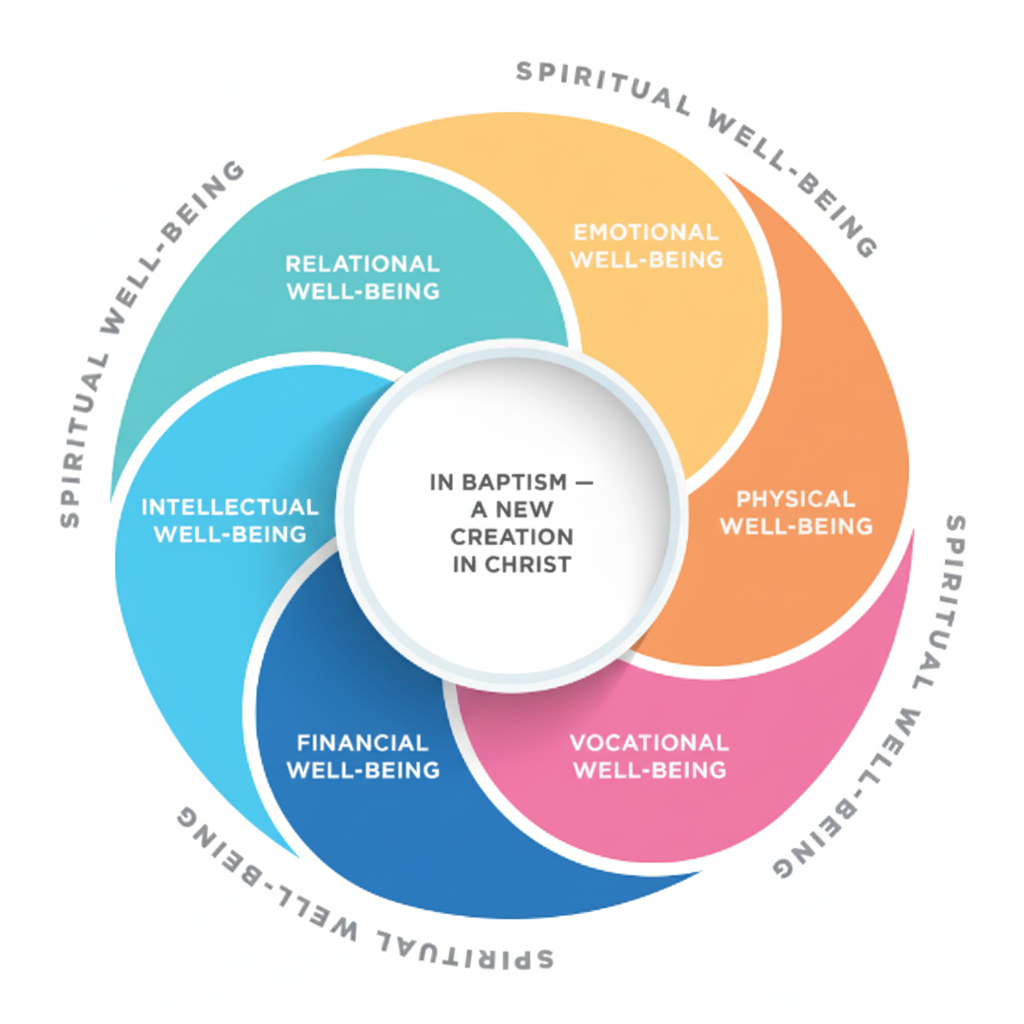
Begin repositioning for the next season of life with a series of practical questions. This list of questions provides a guide of worthwhile data points to share with family, friends, and the good Lord regarding “what’s next” in your life. Click here to find "A Written Planner for the Next Season."