


By Thomas Moll
Director of Content
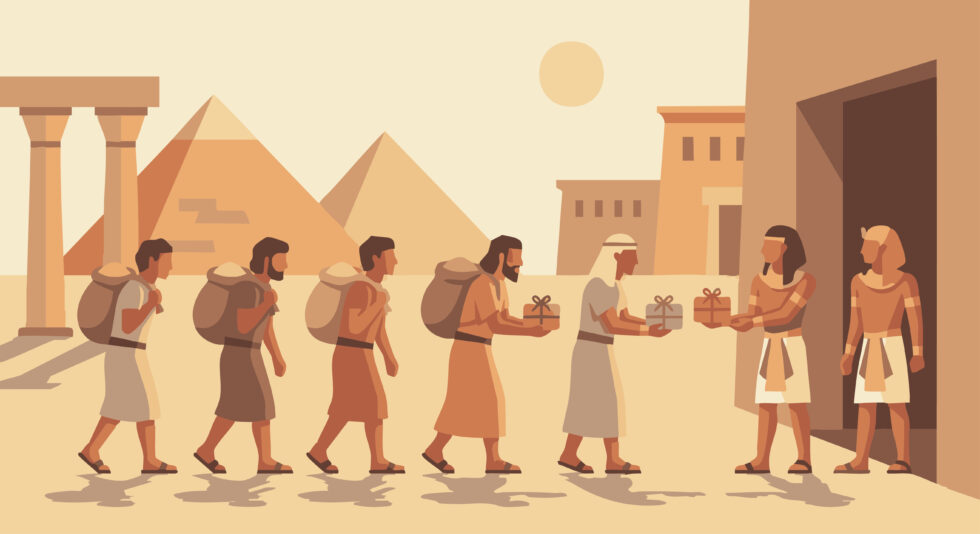
When Joseph’s brothers stood before the most powerful man in Egypt, as described in Genesis 37-50, they were bracing for the worst. They had sold him into slavery, lied to their father, and spent years pretending he was dead. Now the truth was out, and they were certain the account was about to be settled. They knew what men like them deserved.
What they did not expect was tears. Joseph wept over them. He drew them close. He told them not to be angry with themselves, and in place of revenge, he offered a home, bread for the famine, and a future. The grace was so far outside what they had imagined that they could scarcely trust it — even after their father died, they were still half-convinced Joseph would finally even the score.
Joseph’s grace was real, but it was not flawless. He hid his identity, tested his brothers, and let them sit in fear before the reunion came. His mercy still bore the marks of a wounded man.
Yet, even imperfect grace, offered by an imperfect brother, points to something true: We are called to extend to others the forgiveness we have been given, even while our own hearts are still healing.
And Joseph points us to Someone greater. Many people picture God as a kind of Zeus — short-tempered, keeping score, and punishing for sport. But that is not the God who meets us in Scripture. The God of the Bible surprised the entire world. Rather than settling the account against us, He gave His own Son to settle it for us.
That is the grace that still catches people off guard when they come to know Him through His Word. They arrive expecting a verdict and find a Father running down the road to meet them (Luke 15:20).
Like Joseph’s brothers, they discover that the One with every right to condemn has chosen instead to save through His Son, Jesus, and His sacrifice on the cross for them. For you.