


By Jim Miller
The risk of falling is a common concern for millions of elderly seniors and their families. Each year more than one in four older adults fall, making it the leading cause of both fatal and nonfatal injuries for those age 65 and older. However, many falls can be prevented. Here are some tips that can help avoid further incidents:
Exercising: Reduced muscle strength and poor balance are two of the biggest risk factors that cause seniors to fall. Walking, strength training, and Tai Chi are all good for improving strength and stability. You can also try simple exercises at home like sit-to-stand exercises (sitting down and standing up from a seat without using hands for assistance), standing on one foot for 30 seconds then switching to the other foot, and walking heel-to-toe across the room.
Check medications: If you take any medications that cause you to be dizzy, sleepy, or lightheaded, make a list of all the drugs you take, as far as prescriptions, and over the counter (OTC), and contact your doctor or pharmacist for a drug review and adjustment.
Numerous medications for blood pressure, anti-anxiety treatments, antidepressants, anti-seizure medications, antipsychotic drugs, diuretics, sedatives, tranquilizers, certain pain relievers, and OTC drugs that cause drowsiness are frequently responsible for falls related to medication.
Get vision and hearing tests: Even small changes in sight and hearing can increase someone’s risk of falling. As such, it is important to get your eyes checked every year to be sure your vision and eyeglasses are functioning properly. Hearing loss can also double the risk of falling, so have your hearing checked, as well. If you use a hearing aid, be sure it fits well and that you wear it.
Fall-proof the home: There are several simple household modifications to help make a living area safer. Start by arranging or moving the furniture so there are clear pathways to walk through and pick up items on the floor that could cause someone to trip like newspapers, shoes, clothes, and electrical or phone cords. If there are throw rugs, remove them or use double-sided tape to secure them.
For the bathroom, use non-skid rugs on the floors and a rubber mat on the floor of the tub or shower. You should also consider having a carpenter install grab bars in and around the tub, shower, and toilet for support.
Additionally, ensure the entire house has adequate lighting. Install some affordable plug-in nightlights for the bathrooms and hallways. If the house has stairs, you should also put in handrails on both sides.
For more tips, see the National Institute on Aging’s resource page titled “Preventing Falls at Home: Room by Room” at NIA.NIH.gov/health/fall-proofing-your-home.
Choose safe footwear: Going barefoot or wearing slippers or socks at home can also cause falls, as can wearing backless shoes and shoes with heels or smooth leather soles. The safest option is rubber-sole, low-heel shoes.
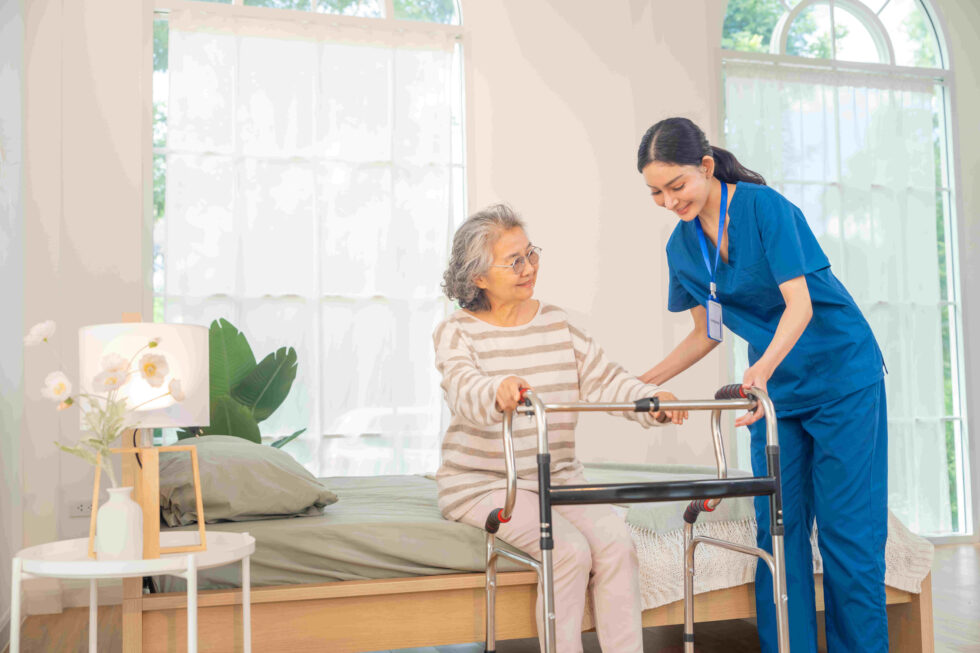
Purchase some helpful aids: If you require assistance with balance or walking, consider using a cane or walker.
For an extra level of safety and peace of mind, also consider getting a medical alert system with a wearable emergency help button or voice-activated software that allows you to call for help if you do fall or need assistance.
To help you evaluate your future risk of falling, use the National Council on Aging’s “Falls Free CheckUp®” tool at NCOA.org/tools/falls-free-checkup.
Savvy Living is written by Jim Miller, a regular contributor to the NBC Today Show and author of “The Savvy Senior” book. Any links in this article are offered as a service and there is no endorsement of any product. These articles are offered as a helpful and informative service to our friends and may not always reflect this organization’s official position on some topics. Jim invites you to send your senior questions to: Savvy Living, P.O. Box 5443, Norman, OK 73070.