


By Katelin Moquin
Copy Editor
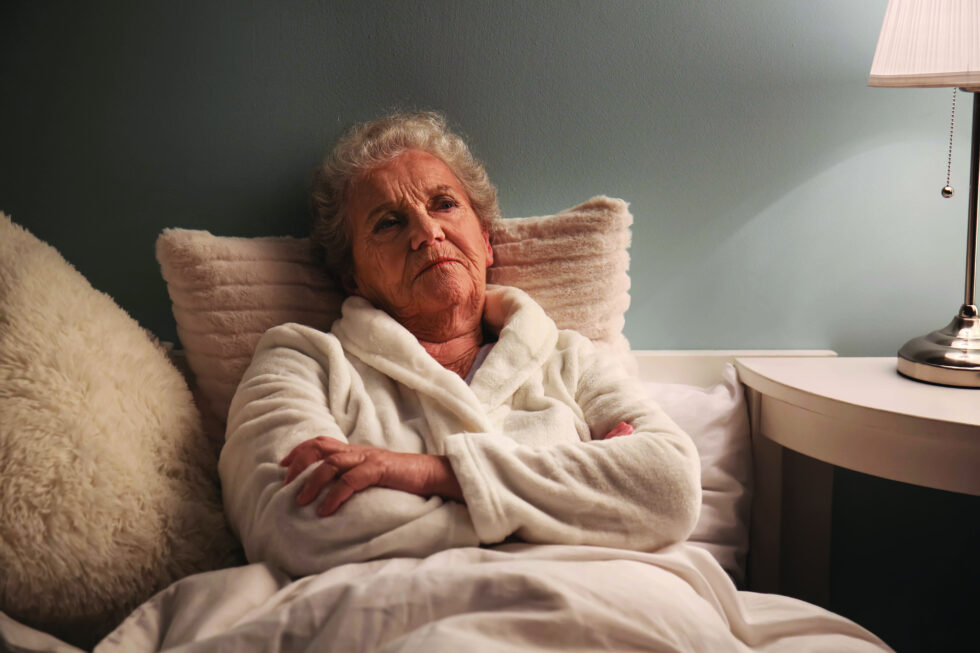
Working with seniors through our Hope-Full Living devotional, I have noticed a recurring theme — sleeplessness and anxiety. For example, Hope-Full Living author, Angela Gielow of Harvester, Mo., writes, “As I am falling asleep, sometimes negative thoughts begin to swirl in my head. If I permit one negative thought to progress, it seems to gain power and spiral inward. It attaches to other negative thoughts and a real ‘pity party’ can evolve.”
Sleep and mood share a bidirectional relationship: Poor sleep can affect mood, and mood disturbances can impair sleep. While insomnia’s classification can span various mental or medical illnesses, its correlation to emotional well-being is significant.
TYPES AND PREVALENCE
In the medical world, trouble falling asleep is termed “sleep-onset insomnia,” and trouble staying asleep is called “sleep-maintenance insomnia.” Some people experience both types of insomnia. “Chronic insomnia” occurs at least three nights per week for three months or longer and warrants medical evaluation.
The Sleep Foundation, which is backed by a team of researchers, writers, and sleep specialists, estimates that 10 to 30% of all adults live with insomnia. The National Library of Medicine publishes research that up to 75% of adults older than 65 experience insomnia symptoms.
CONTRIBUTING FACTORS IN OLDER ADULTS
“Insomnia in Older Adults,” an article published by the National Library of Medicine, cites the following reasons for sleeplessness among older adults:
► Reduced physical activity and mobility.
► Limited social engagement.
► Irregular daily routines post-retirement.
► Age-related changes in circadian rhythms, the chemical mechanism in the brain that regulates wake/sleep cycles.
CONSEQUENCES OF SLEEPLESSNESS
For many of us, the consequences of sleeplessness are evident, but others are lying under the surface — not immediately showing the damage they are doing:
► Daytime fatigue and an increased need to nap.
► Associated risk of mood disturbances, irritability, mental fog, and psychological disorders.
► Associated risk of medical conditions, such as obesity, diabetes, cardiovascular disease, and chronic pain.
► Higher risk of accidents.
While sometimes insomnia is a primary diagnosis, other times, insomnia is secondary to some other condition, such as restless legs syndrome. Identifying the root cause is important and working with medical professionals is a key step.
MANAGEMENT STRATEGIES FOR IMPROVING SLEEP QUALITY
Medical intervention may be one necessary solution, but good sleep hygiene can also provide some relief for those who suffer from sleepless nights.
► Maintain consistent sleep and wake times.
► Establish a calm routine before bed (e.g., read Scripture, pray, journal, listen to music, or stretch).
► Limit time on electronic screens in the evening (e.g., televisions, tablets, laptops, and cell phones).
► Keep the bedroom cool and dim.
► Exercise earlier in the day rather than near bedtime.
► Minimize caffeine and alcohol consumption.
► Consult a doctor for chronic insomnia.
WHEN SLEEP REMAINS ELUSIVE
Even with proper habits and treatment, sleeplessness may occur due to illness, unfamiliar environments, caregiving responsibilities, and other stressors.
During long, dark, wakeful hours, engage in restorative activities, such as breathing exercises or reading devotions which cultivate positive mental health and can prevent the spiral of anxiety. While it may be impossible to force the brain into sleeping, make wakeful time optimally beneficial. One sure way to achieve this benefit is by spending time in faithful reflection and prayer.
FAITH-BASED PERSPECTIVE
Take heart that sleeplessness is a common, though frustrating, human experience — even many Bible characters experience sleepless struggles! If wakefulness seeks to devour your peace, consider the following Scriptures. (Use a print Bible rather than an electronic device. Print is kinder to a brain that is trying to rest!):
► Safety and protection: God’s presence brings safety through the night (Psalm 91, Psalm 121).
► Rest as a gift: Sleep is a blessing from God, not earned through anxiety (Psalm 127).
► Peace for the weary: Jesus offers rest from burdens (Matthew 11:25-30).
► Trust over fear: Trusting God overcomes fear, leading to restful sleep (Psalm 56, Philippians 4:10-20).
Hope-Full Living author, Jan Brunette of Holts Summit, Mo., writes, “Lying sleepless at night, we allow His Spirit to help us focus on the mercies and grace of the Lord. We imagine His goodness flowing down upon us and praise Him for who He is.” Even in the darkest nights, we are never the only one awake. The Lord, watchful and strong, is at our side.